

Car Maintenance Guide for Australian Drivers
Learn the essential car maintenance checks every Australian car owner should know. Follow a simple car maintenance schedule for tyres, fluids, brakes, battery and more to improve safety, fuel efficiency and vehicle life.
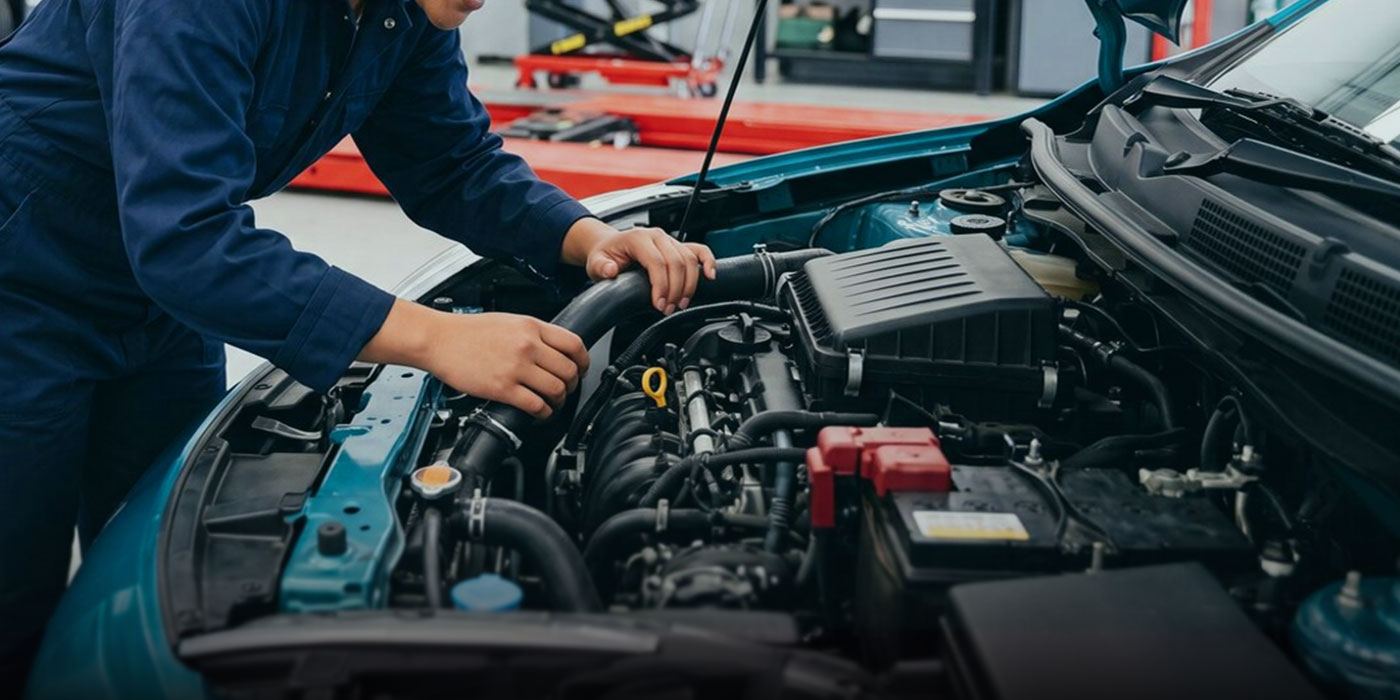
A good car maintenance guide helps you understand what your car needs, when to book a service and which warning signs you should never ignore. From checking tyre pressure to following your logbook service schedule, a few simple habits can help you avoid unexpected breakdowns and costly repairs.
Australian driving conditions can put extra demands on your car. Hot weather, heavy traffic, dusty roads, long highway trips and coastal air can all affect different parts of your vehicle. Knowing what to check between services helps you spot problems early and keep your car ready for everyday driving.
What is car maintenance?
Car maintenance means checking, servicing and replacing parts of your car before small problems become bigger ones. It includes simple checks you can do at home and scheduled work carried out by a qualified mechanic.
Regular maintenance helps you:
- Keep your tyres, brakes and lights in safe working condition.
- Reduce the risk of unexpected breakdowns.
- Find leaks, worn parts and other problems early.
- Keep your engine running as intended.
- Maintain service records that can help when selling your car.
👉 For example, a small coolant leak may be easy to fix when found early. If you ignore it and the engine overheats, the repair could become much more expensive.
What should you check for car maintenance?
Australian driving conditions can put extra strain on your car. Summer heat can affect the battery and cooling system, while long drives between towns make a breakdown harder to deal with. In busy cities, frequent stopping and starting can also increase wear on your brakes. Knowing what to check and when to service your car can help you spot problems early and avoid unexpected trouble on the road.
Before every drive
- Check dashboard warning lights after starting
- Check that mirrors and windscreens are clear
Monthly
- Check tyre pressure and tread
- Check engine oil level
- Check coolant level in the overflow bottle
- Test all lights (headlights, brake lights, indicators)
Every 6 months or 10,000 km
- Minor service: oil change, oil filter replacement, fluid top-ups, basic inspection
- Inspecting and replacing air filters enhances engine performance and fuel economy
Yearly or 15,000 km
- Major service: all minor service items plus brake inspection, suspension check, cabin filter
- Scheduled services for replacing spark plugs and timing belts at specific intervals
Before long trips
- Full fluid check, tyre condition, spare tyre and tools, wiper blades, lights
What should you check for car maintenance at home?
At home, check your tyres, engine oil, coolant, brake fluid, lights, wipers and battery. It takes about 10 minutes once a month, and you need nothing more than a tyre gauge, a rag and a torch.
The 10-minute monthly check
Park on flat ground and let the engine cool. Then work through this list:
Tyre pressure
: Find the right number on the tyre placard, usually inside the driver’s door frame. Front and rear can be different. Check when the tyres are cold. If you have just driven, NRMA suggests adding about 2psi to the placard figure to allow for the heat. Don’t forget the spare.
Tyre tread
: The legal minimum in Australia is 1.5mm. Look for the small rubber bars in the grooves (tread wear indicators). If the tread is level with them anywhere, the tyre is done. Many tyre makers suggest replacing at around 3mm, especially if you drive in the wet.
Engine oil
: Pull the dipstick, wipe it, push it back in, pull it out again. The oil should sit between the MIN and MAX marks. Too much is also a problem, so top up slowly.
Coolant
: Look at the see-through overflow tank. The level should be between the lines. Never open the radiator cap on a hot engine. It is under pressure and can spray boiling coolant.
Brake fluid
: Check the small reservoir near the back of the engine bay. If it’s below MIN, don’t just top it up and forget it. Low brake fluid often means worn pads or a leak, so get it looked at.
Lights
: Ask someone to stand behind the car while you press the brake and use the indicators. A blown bulb is cheap and a common reason for a fine or failed roadworthy.
Wipers and washer fluid
: Blades that smear or skip need replacing. The Australian sun cooks the rubber, so they often go hard well before winter.
Battery
: Look for white or green crusty build-up on the terminals and any bulging of the case. A slow, lazy start is your early warning.
What happens during a Car servicing?
Car maintenance and car servicing are related, but they are not the same. Maintenance includes the regular checks you make between workshop visits. A service is a planned inspection and maintenance appointment, usually completed by a mechanic.
A standard service includes:
- Engine oil and filter : Check or replace them according to the service schedule.
- Brakes : Inspect pads, discs, fluid and related parts.
- Tyres : Check pressure, wear and condition.
- Fluids : Inspect coolant, brake fluid and other specified fluids.
- Filters : Inspect or replace air and cabin filters when required.
- Battery and electrical systems : Check condition and test where needed.
- Steering and suspension : Inspect for wear or damage.
- Diagnostic checks : Investigate warning lights or fault codes when necessary.
The work depends on the vehicle and its service interval. A basic service does not automatically include every repair, fluid change or replacement.
What regular maintenance does an older car need?
An older car need closer attention because rubber parts, seals, hoses, batteries and other components wear out with age.
Along with its normal service schedule, pay attention to:
- Oil consumption : Check whether the engine needs oil more than normal.
- Coolant loss : Repeatedly topping up coolant indicates a leak or another problem.
- Battery condition : Have the battery tested if starting becomes slower.
- Tyres : Check for cracks, ageing, uneven wear and pressure loss.
- Belts and hoses : Ask your mechanic to inspect them for wear, cracks and damage.
- Brakes and suspension : Report new noises, vibration, pulling or changes in handling.
- Timing belt : Check whether your vehicle has one and when it is due for replacement. Some engines use a timing chain instead.
How much does car maintenance cost in Australia?
Car maintenance costs vary by vehicle, workshop, location and the work required. A routine service is generally easier to budget for than an unexpected repair, but no single price applies to every car.
Your final bill may depend on:
- The make, model, age and engine type.
- The cost of oil, filters and other parts.
- Whether it is a routine service or a major service.
- Whether worn or faulty parts need replacement.
- Labour rates at the workshop.
For a useful budget, ask for a quote that separates the scheduled service from any additional repairs. You can then decide which work is necessary now and what can be planned for a later date.
How to avoid unexpected service bills
- Keep up with scheduled maintenance. Do not wait for a warning light before arranging a service.
- Ask about upcoming replacements. Timing belts, tyres and batteries can be easier to budget for when you know they are approaching the end of their service life.
- Request an itemised quote. Ask what each job covers and whether it is required now.
- Discuss additional work before approving it. Ask the mechanic to explain the problem and the risk of delaying the repair.
- Keep service records. They help you track work already completed and reduce the chance of paying for unnecessary repeat work.
A cheaper service is not always the better choice if important checks or required work are left out. Compare what each quote includes, not just the total price.
Frequently Asked Questions
1. What are the regular maintenance tasks in a car?
Regular car maintenance includes checking tyre pressure and wear, engine oil, coolant, lights, wipers, battery condition and visible leaks. You should also follow the manufacturer’s service schedule for oil changes, filters, brakes and other required work.
2. How often should I check my car’s oil?
Check your oil at the interval recommended in your owner’s manual, and if your car is older or uses oil in services. Always follow the correct checking procedure for your vehicle.
3. Is car servicing necessary if I drive only a few kilometres?
Yes. Car maintenance is based on time as well as distance. Oil, batteries, tires, and other components should be checked when a vehicle has not been driven much.
4. How do I know when my car needs a service?
Check your logbook, service booklet or dashboard service reminder. Other signs include unusual noises, warning lights, fluid leaks, changes in braking or steering, and reduced performance. Do not wait for symptoms if a scheduled service is due.
5. What happens if I miss a scheduled car service?
Missing a service can allow wear, fluid problems or other faults to go unnoticed. It may increase the risk of breakdowns and expensive repairs. If you have missed a service, check the manufacturer’s recommendations and arrange an appointment rather than waiting for the next interval.
6. Can I maintain my car at home?
You can carry out basic checks such as inspecting tyres, checking accessible fluid levels, testing lights and looking for leaks. More complex work involving brakes, steering, suspension and other safety systems should be handled by qualified car services shop like Provident Motors.
7. Does regular car servicing improve fuel efficiency?
It can help maintain the fuel efficiency your vehicle is designed to deliver. Correct tyre pressure, suitable engine oil, clean filters when required and prompt attention to faults can all help. However, fuel consumption also depends on traffic, driving style, vehicle condition and load.
Conclusion: Make car maintenance part of your routine
Good car maintenance is not about spending money. It is about knowing what your car needs, checking it regularly and dealing with problems before they become serious.
Start with three simple habits: check your tyres and visible warning signs, follow the service schedule in your logbook, and keep a record of all servicing and repairs.
For Australian drivers, it is also worth paying attention to hot weather, dusty roads, coastal conditions and long-distance travel. These conditions affect your car’s performance and what needs closer inspection.
If you are buying a used car, maintaining an older vehicle or trying to manage service costs, a clear maintenance plan gives you a better idea of what needs attention now and what you should budget for next.
Book Now, Drive Worry-Free
Book Your Car In?
Whether it’s a logbook service or a repair we can help. Located in the heart of Canberra, we make it easy to keep your vehicle in top condition. Contact us today to book your service, request a quote or speak with our team. We’ll get you back on the road — safely and confidently.
Schedule a Repair